- [email protected]
- +91-98198-15905
Full mouth implants, also known as full arch dental implants or full mouth reconstruction with implants, are a comprehensive dental restoration solution for individuals who have lost all or most of their teeth in either the upper or lower jaw.
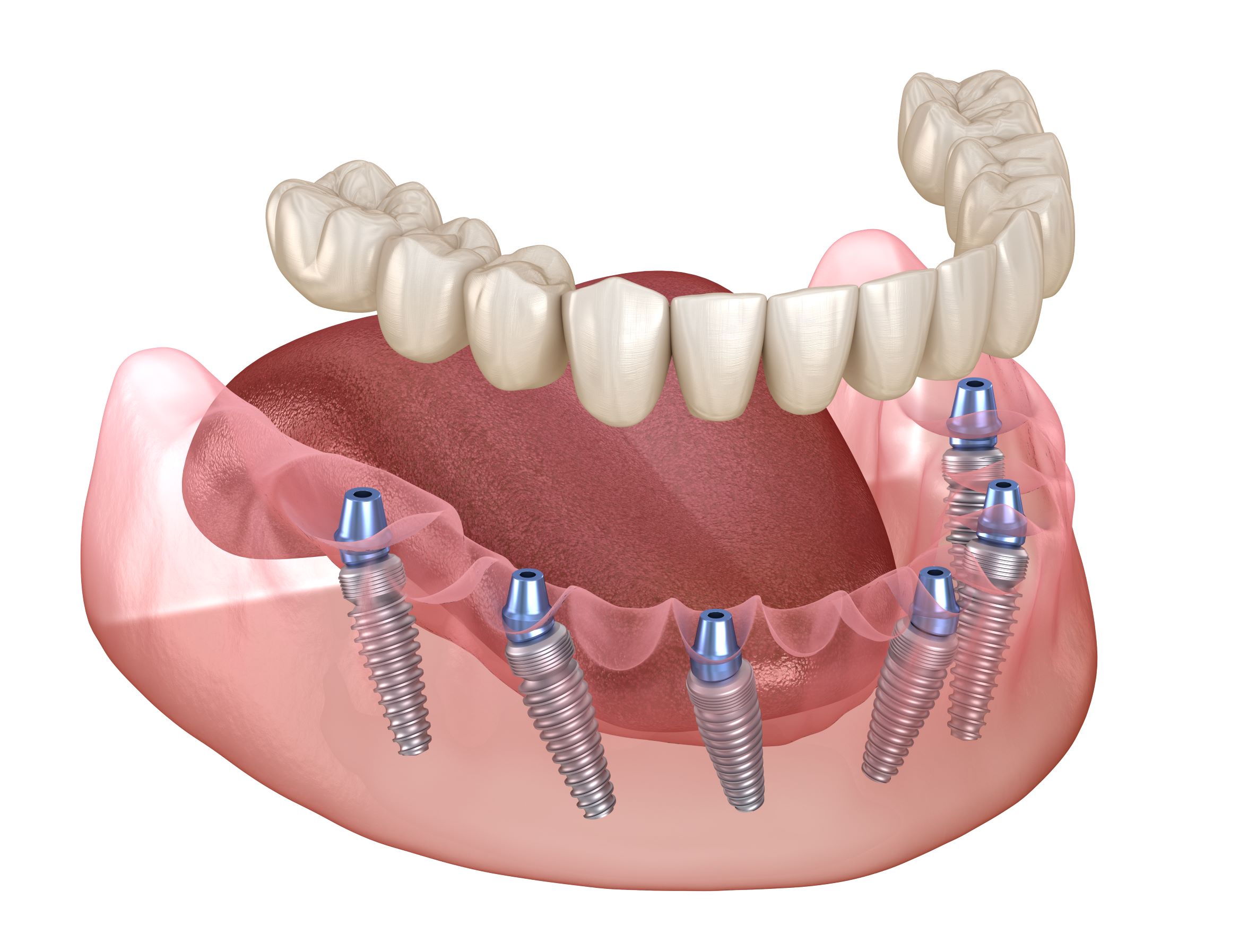
Full mouth implants, also known as full arch dental implants or full mouth reconstruction with implants, are a comprehensive dental restoration solution for individuals who have lost all or most of their teeth in either the upper or lower jaw.
This advanced dental procedure represents a significant breakthrough in modern dentistry, offering patients a permanent alternative to traditional dentures. Unlike removable dentures that can slip, click, or cause discomfort, full mouth implants are securely anchored into the jawbone, providing stability and function that closely mimics natural teeth. The treatment involves strategically placing multiple titanium implant posts into the jawbone, which then fuse with the bone tissue through a process called osseointegration. Once healed, these implants serve as sturdy foundations for a complete set of prosthetic teeth.
The journey to a restored smile begins with a comprehensive dental examination and 3D imaging to assess bone density and structure. During the surgical phase, dental implants are precisely positioned in the jaw according to a customized treatment plan. Depending on the case, patients may receive anywhere from four to eight implants per arch. The "All-on-4" or "All-on-6" techniques are popular approaches that maximize support while minimizing the number of implants needed.
After the implants are placed, a healing period of several months allows the implants to integrate with the bone. During this time, temporary prosthetic teeth may be provided to maintain function and aesthetics. Once healing is complete, permanent custom-crafted teeth are attached to the implants, resulting in a beautiful, functional smile that can last a lifetime with proper care.
Full mouth implants offer numerous advantages over traditional dentures. They prevent bone loss by stimulating the jawbone, maintain facial structure and appearance, eliminate the need for messy adhesives, allow you to eat your favorite foods without restriction, and provide a natural-looking, confident smile. Additionally, implants don't require alteration of adjacent healthy teeth and offer superior comfort without the sore spots or irritation often associated with dentures.
Full mouth implants are an ideal solution for individuals who have lost all or nearly all of their teeth due to factors such as decay, gum disease, trauma, or other dental issues. It restores oral function, aesthetics, and confidence for individuals with extensive tooth loss or those seeking a permanent solution.
Each full mouth implant treatment is tailored to the individual's unique needs. The number and placement of implants, as well as the design of the prosthetic teeth, are customized for optimal results.
Ideal candidates for full mouth implants include those with significant tooth loss or failing teeth, individuals dissatisfied with traditional dentures, patients with adequate bone density or who are willing to undergo bone grafting, and those in good overall health. During your consultation at Niraamay Dental Care in Mulund, our experienced dental team will evaluate your specific situation and recommend the best treatment approach for your needs, ensuring you receive personalized care throughout your dental restoration journey.
Full mouth dental implants are a comprehensive solution where multiple dental implants are placed in the jawbone to support a complete set of prosthetic teeth. This restores function, aesthetics, and confidence for someone who has lost most or all of their teeth.
Good candidates are adults with extensive tooth loss due to decay, gum disease, trauma, or failing dentures, and who have sufficient jawbone density or can undergo bone grafting if needed.
The entire process typically spans several months, including planning, implant placement, healing (osseointegration), and final prosthetic attachment. Healing can take about 3–6 months, depending on individual healing and bone condition.
The surgery is performed under local anesthesia or sedation, so you shouldn’t feel pain during the procedure. Post-op discomfort and swelling may occur but are usually manageable with prescribed medication and rest.
With good oral hygiene and regular dental checkups, full mouth implants can last decades and, in many cases, for a lifetime. Individual components like crowns may need periodic replacement over time.
Full mouth implants are fixed and stable (no slipping or clicking), look and feel like natural teeth, improve chewing and speech, and help preserve jawbone health — benefits traditional dentures can’t fully provide.
The exact number varies based on your jaw structure and treatment plan. Options like All-on-4 or All-on-6 use 4–6 implants per arch to support a full set of teeth.
Costs depend on the number of implants, type of implants/prosthetics, additional procedures (like bone grafts), and clinic expertise. Full mouth implants typically cost more than single implants due to their comprehensive nature. (Exact pricing should be discussed during consultation.)
After implant placement, the jawbone needs time to heal around the implants (osseointegration). Temporary teeth may be provided initially, and you’ll be advised on diet, oral hygiene, and follow-up care during this phase.
Like any surgical procedure, risks can include infection, implant failure (rare with good care and an experienced surgeon), or minor nerve irritation. Choosing a qualified dental implant specialist significantly reduces these risks.